

Mae falfiau pêl yn bennaf yn gweithredu fel dyfeisiau ymlaen/i ffwrdd. Mae eu dyluniad yn cyfyngu ar eu gallu i ddarparu rheolaeth llif fanwl gywir. Gall y cyfyngiad hwn effeithio ar eu heffeithiolrwydd mewn rhai cymwysiadau amddiffyn rhag tân. Dyma rai pwyntiau allweddol ynghylch yfire protection valveso falfiau pêl:Swyddogaeth Ymlaen/DiffoddMae falfiau pêl yn rhagori wrth gau i ffwrdd yn gyflym neu ganiatáu llif hylif. Fodd bynnag, nid ydynt yn perfformio'n dda pan fydd angen i weithredwyr addasu cyfraddau llif yn raddol.Problemau CyfynguPan gânt eu hagor yn rhannol, gall falfiau pêl greu tyrfedd. Gall y tyrfedd hwn arwain at ostyngiadau pwysau a chyfraddau llif anghyson. Gall ymddygiad o'r fath amharu ar berfformiad systemau diffodd tân.Rheoleiddio LlifNid yw falfiau pêl yn addas ar gyfer cymwysiadau sydd angen rheoleiddio llif manwl. Nid yw eu dyluniad yn caniatáu addasiadau graddol. Gall y cyfyngiad hwn fod yn broblemus mewn senarios lle mae cyflenwi dŵr manwl gywir yn hanfodol.AwgrymAr gyfer cymwysiadau sydd angen modiwleiddio llif, ystyriwch ddefnyddio falfiau giât neu fathau eraill o falfiau sydd wedi'u cynllunio ar gyfer throtlio.
Mae'r tabl isod yn crynhoi galluoedd rheoli llif falfiau pêl o'u cymharu â falfiau giât:
- Math o Falf
- Gallu Rheoli Llif
- Achos Defnydd Delfrydol
- Falf BêlCyfyngedig
- Gwasanaeth ymlaen/i ffwrddFalf Giât
Cymedrol
Rheoleiddio sbarduno a llifCymwysiadau mewn Systemau TânMae falfiau amddiffyn rhag tân yn chwarae rhan hanfodol mewn amrywiol gymwysiadau o fewn systemau amddiffyn rhag tân. Mae eu dewis yn dibynnu ar ofynion gweithredol penodol a natur y strategaeth amddiffyn rhag tân. Isod mae rhai cymwysiadau allweddol ar gyfer falfiau giât a falfiau pêl mewn systemau tân:
| 1. Systemau Chwistrellu Tân | Ball Valves | Gate Valves |
|---|---|---|
| Mae systemau pibellau sefyll, a geir yn gyffredin mewn adeiladau masnachol, yn dibynnu ar falfiau amddiffyn rhag tân i sicrhau cyflenwad dŵr digonol ar gyfer ymdrechion diffodd tân. Defnyddir falfiau giât yn aml i ynysu rhannau o'r system, tra bod falfiau pêl yn hwyluso gweithrediad cyflym ar gyfer mynediad uniongyrchol at ddŵr. | 3. Systemau Hydrant Tân | Mae angen falfiau dibynadwy ac effeithlon ar systemau hydrantau tân i sicrhau y gall diffoddwyr tân gael mynediad cyflym at ddŵr. Fel arfer, gosodir falfiau giât wrth y brif linell gyflenwi i reoli llif y dŵr i'r hydrantau. Gellir defnyddio falfiau pêl hefyd i gau i ffwrdd yn gyflym mewn sefyllfaoedd brys. |
| 4. Systemau Dilyw a Chyn-weithredu | Mewn systemau atal tân rhag llifogydd a rhag-weithredu, mae falfiau amddiffyn rhag tân yn chwarae rhan hanfodol wrth reoli llif dŵr i bennau chwistrellwyr. Gall falfiau giât ynysu rhannau o'r system ar gyfer cynnal a chadw, tra bod falfiau pêl yn caniatáu actifadu llif dŵr yn gyflym pan fo angen. | 5. Cymwysiadau Diwydiannol |
| Flow Regulation | 6. Diogelu rhag Tân Preswyl | Mae systemau amddiffyn rhag tân preswyl hefyd yn elwa o ddefnyddio falfiau amddiffyn rhag tân. Mae falfiau giât yn darparu galluoedd cau dibynadwy, tra bod falfiau pêl yn sicrhau mynediad cyflym at gyflenwad dŵr ar gyfer ymdrechion diffodd tân. |
| Durability | Wrth ddewis falfiau ar gyfer systemau amddiffyn rhag tân, ystyriwch y gofynion cymhwysiad a gweithredol penodol. Mae pob math o falf yn cynnig manteision unigryw a all wella perfformiad y system. | Senarios Addas ar gyfer Falfiau Giât |
| Mae falfiau giât yn arbennig o effeithiol mewn amrywiol senarios o fewn systemau amddiffyn rhag tân. Mae eu dyluniad a'u swyddogaeth yn eu gwneud yn addas ar gyfer cymwysiadau penodol lle | rheolaeth llif ddibynadwy | yn hanfodol. Isod mae rhai sefyllfaoedd delfrydol ar gyfer defnyddio falfiau giât: |
Ynysu Prif Gyflenwad Dŵr
Mae falfiau giât yn gwasanaethu fel y prif fecanwaith cau ar gyfer y prif gyflenwad dŵr mewn systemau amddiffyn rhag tân. Maent yn caniatáu cau llwyr yn ystod cynnal a chadw neu argyfyngau, gan sicrhau bod y system yn parhau i fod yn ddiogel ac yn weithredol.Cymwysiadau Pwysedd UchelMewn amgylcheddau lle mae pwysedd uchel yn bryder, mae falfiau giât yn rhagori. Gall eu hadeiladwaith cadarn wrthsefyll pwysau sylweddol heb beryglu perfformiad. Mae'r gwydnwch hwn yn eu gwneud yn ddelfrydol ar gyfer lleoliadau diwydiannol.
Piblinellau Diamedr Mawr
Defnyddir falfiau giât yn aml mewn piblinellau diamedr mawr lle mae angen rheoli llif. Mae eu dyluniad yn lleihau cyfyngiad llif, gan ganiatáu ar gyfer cyflenwi dŵr effeithlon yn ystod argyfyngau.
Systemau Hydrant Tân
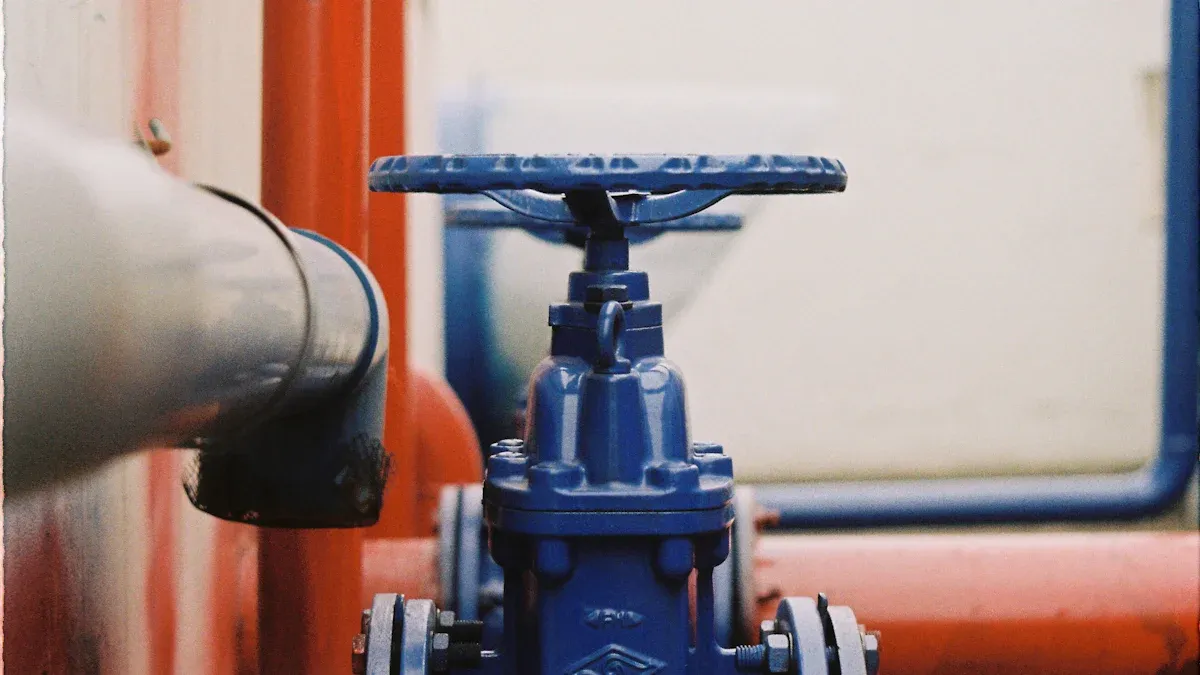
Mae falfiau giât yn cael eu gosod yn gyffredin mewn systemau hydrant tân. Maent yn darparu ynysu dibynadwy o'r cyflenwad dŵr, gan sicrhau y gall diffoddwyr tân gael mynediad at ddŵr yn gyflym pan fo angen.A yw falfiau giât yn addas ar gyfer cymwysiadau sbarduno?Mewn systemau pibellau sefyll, mae falfiau giât yn caniatáu ynysu adrannau penodol. Mae'r gallu hwn yn hanfodol ar gyfer cynnal a chadw ac yn sicrhau bod rhannau eraill o'r system yn parhau i fod yn weithredol.
- Ball ValvesWrth ddewis falfiau giât ar gyfer systemau amddiffyn rhag tân, ystyriwch y gofynion cymhwysiad a gweithredol penodol. Mae eu gallu i ddarparu cau dibynadwy a gwrthsefyll pwysau uchel yn eu gwneud yn gydran werthfawr mewn amrywiol senarios.
- Gate ValvesMae falfiau pêl yn arbennig o effeithiol mewn amrywiol sefyllfaoedd o fewn systemau amddiffyn rhag tân. Mae eu dyluniad a'u heffeithlonrwydd gweithredol yn eu gwneud yn addas ar gyfer cymwysiadau penodol lle mae ymateb cyflym a dibynadwyedd yn hanfodol. Isod mae rhai sefyllfaoedd delfrydol ar gyfer defnyddio falfiau pêl:
Diffodd Brys
Mae falfiau pêl yn rhagori mewn sefyllfaoedd sydd angen cau'n gyflym. Mae eu gweithrediad chwarter tro yn caniatáu cau ar unwaith, sy'n hanfodol yn ystod argyfyngau tân. Gall diffoddwyr tân gael mynediad cyflym at gyflenwad dŵr, gan sicrhau ymateb cyflym.
Systemau Pwysedd UchelA yw falfiau giât yn addas ar gyfer cymwysiadau sbarduno?Llinellau Cyflenwi Dŵr
Gate Valves
- ar gyfer systemau amddiffyn rhag tân, ystyriwch eu gweithrediad cyflym a'u gostyngiad pwysau isel. Mae'r nodweddion hyn yn gwella perfformiad a dibynadwyedd cyffredinol y system.Mewn systemau chwistrellu tân, mae falfiau pêl yn hwyluso actifadu cyflym. Maent yn caniatáu i ddŵr lifo ar unwaith i bennau chwistrellu, gan wella effeithiolrwydd ymdrechion diffodd tân.
- Systemau LlifogyddMae falfiau pêl yn chwarae rhan hanfodol mewn systemau llifddor, lle mae angen rhyddhau dŵr yn gyflym. Mae eu dyluniad yn galluogi gweithrediad cyflym, gan sicrhau bod dŵr yn cyrraedd yr ardaloedd bwriadedig heb oedi.
- Ymateb cyflym yn ystod tanauPryd
Ball Valves
- ar gyfer systemau amddiffyn rhag tân, ystyriwch eu gweithrediad cyflym a'u gostyngiad pwysau isel. Mae'r nodweddion hyn yn gwella perfformiad a dibynadwyedd cyffredinol y system.Math o Gais
- Budd AllweddolDiffodd Brys
- Ymateb cyflym yn ystod tanauSystemau Pwysedd UchelYn cynnal uniondeb o dan bwysauLlinellau Cyflenwi Dŵr
TipSystemau Chwistrellu
Gweithrediad llif dŵr ar unwaith
Systemau Llifogydd
- Rhyddhau dŵr cyflym ar gyfer ataliadEffeithiolrwydd Cyffredinol mewn Systemau Tân
- Effeithiolrwyddfalfiau amddiffyn rhag tân
- yn effeithio'n sylweddol ar berfformiad systemau diogelwch tân. Mae falfiau giât a falfiau pêl yn chwarae rolau hanfodol wrth sicrhau llif dŵr dibynadwy yn ystod argyfyngau. Mae eu nodweddion unigryw yn cyfrannu at effeithlonrwydd cyffredinol ymdrechion diffodd tân.Mae falfiau giât yn rhagori mewn cymwysiadau sydd angen cau llif llwyr. Maent yn darparu modd dibynadwy o ynysu rhannau o system amddiffyn rhag tân. Mae'r gallu hwn yn hanfodol yn ystod cynnal a chadw neu argyfyngau. Mae falfiau giât yn caniatáu capasiti llif uchel, gan sicrhau bod dŵr yn cyrraedd ardaloedd critigol pan fo angen. Mae eu hadeiladwaith cadarn yn gwrthsefyll pwysau uchel, gan eu gwneud yn addas ar gyfer amrywiol amgylcheddau.
- Ar y llaw arall, mae falfiau pêl yn cynnig gweithrediad cyflym a gostyngiad pwysau isel. Mae eu mecanwaith chwarter tro yn caniatáu mynediad cyflym at gyflenwad dŵr, sy'n hanfodol yn ystod digwyddiadau tân. Gall diffoddwyr tân actifadu falfiau pêl yn gyflym, gan sicrhau gweithrediad ar unwaith.llif dŵr
- Gall yr ymateb cyflym hwn wneud gwahaniaeth sylweddol wrth reoli tanau'n effeithiol. Yn ogystal, mae falfiau pêl yn cynnal selio gwrth-ollyngiadau, gan atal colli dŵr a gwella dibynadwyedd y system.Perfformiad mewn Argyfyngau
Mewn sefyllfaoedd brys, mae perfformiad falfiau amddiffyn rhag tân yn dod yn hanfodol. Mae falfiau giât a falfiau pêl yn chwarae rolau gwahanol wrth sicrhau ymdrechion diffodd tân effeithiol.
nodweddion gweithredolgall ddylanwadu'n sylweddol ar ganlyniad gweithgareddau diffodd tân.Falfiau Giât
| Valve Type | Falfiau Pêl | Mewn cyferbyniad, mae falfiau pêl yn cynnig gweithrediad cyflym. Mae eu mecanwaith chwarter tro yn caniatáu mynediad uniongyrchol at gyflenwad dŵr. Mae'r actifadu cyflym hwn yn hanfodol yn ystod digwyddiadau tân, lle mae amser yn hanfodol. Gall diffoddwyr tân ymgysylltu â falfiau pêl yn gyflym, gan sicrhau bod dŵr yn llifo i'r ardaloedd angenrheidiol heb oedi. Yn ogystal, mae falfiau pêl yn cynnal gostyngiadau pwysau isel, sy'n helpu i gynnal pwysau dŵr ledled y system. |
|---|---|---|
| Gate Valve | : Dibynadwy ar gyfer diffodd yn llwyr ond yn arafach i weithredu. | : Dibynadwy ar gyfer diffodd yn llwyr ond yn arafach i weithredu. |
| Ball Valve | Dibynadwyedd Hirdymor Falfiau Diogelu Rhag Tân | Dibynadwyedd Hirdymor Falfiau Diogelu Rhag Tân |
Mae dibynadwyedd hirdymor yn hanfodol ar gyfer falfiau amddiffyn rhag tân, gan fod y cydrannau hyn yn chwarae rhan hanfodol wrth sicrhau diogelwch yn ystod argyfyngau. Mae gan falfiau giât a phêl nodweddion unigryw sy'n dylanwadu ar eu dibynadwyedd dros amser.
- Falfiau Giât
- Gwydnwch
- Mae falfiau giât yn aml yn cynnwys deunyddiau cadarn, fel dur di-staen neu bres. Mae'r deunyddiau hyn yn gwella eu gallu i wrthsefyll pwysau a thymheredd uchel, gan gyfrannu at eu hirhoedledd.
- Gofynion Cynnal a Chadw
- Mae cynnal a chadw rheolaidd yn hanfodol ar gyfer falfiau giât. Dylai gweithredwyr archwilio morloi a chydrannau mewnol i atal gollyngiadau. Gall esgeuluso cynnal a chadw arwain at ddibynadwyedd is a methiannau posibl yn ystod adegau critigol.
- Falfiau Pêl
- Anghenion Cynnal a Chadw Isel
- Fel arfer, mae angen llai o waith cynnal a chadw ar falfiau pêl na falfiau giât. Mae eu dyluniad yn lleihau traul a rhwyg, gan ganiatáu iddynt weithredu'n effeithiol am gyfnodau hir.
- Gwrthiant Cyrydiad
- Mae llawer o falfiau pêl yn defnyddio deunyddiau sy'n gwrthsefyll cyrydiad. Mae'r nodwedd hon yn gwella eu dibynadwyedd, yn enwedig mewn amgylcheddau sy'n agored i gemegau llym neu amodau eithafol.
- Awgrym
Er mwyn sicrhau'r dibynadwyedd hirdymor mwyaf posibl ar falfiau amddiffyn rhag tân, dylai sefydliadau weithredu amserlen archwilio arferol. Gall gwiriadau rheolaidd nodi problemau posibl cyn iddynt waethygu, gan sicrhau bod falfiau'n parhau i fod yn weithredol pan fo angen.Mae falfiau giât a phêl ill dau yn cynnig manteision ac anfanteision penodol mewn systemau amddiffyn rhag tân.Falfiau giât
yn rhagori wrth ddarparu galluoedd cau dibynadwy a chynhwysedd llif uchel.
Falfiau pêl
- yn sefyll allan am eu gweithrediad cyflym a'u gostyngiad pwysau isel.Yn y pen draw, mae'r dewis rhwng y falfiau hyn yn dibynnu ar anghenion penodol y system dân a gofynion gweithredol.AwgrymAseswch ofynion unigryw pob cais i benderfynu ar y mwyaf
- math o falf addasar gyfer perfformiad gorau posibl.Cwestiynau CyffredinBeth yw'r prif wahaniaeth rhwng falfiau giât a falfiau pêl?
Mae falfiau giât yn darparu rheolaeth ddibynadwy ymlaen/i ffwrdd, tra bod falfiau pêl yn cynnig gweithrediad cyflymach gyda gostyngiad pwysau lleiaf posibl. Mae hyn yn gwneud falfiau pêl yn fwy addas ar gyfer sefyllfaoedd brys.A yw falfiau giât yn addas ar gyfer cymwysiadau sbarduno?Gellir defnyddio falfiau giât ar gyfer cyfyngu, ond nid ydynt yn ddelfrydol at y diben hwn. Mae eu dyluniad yn bennaf ar gyfer cau llif yn llwyr.
| Pa mor aml y dylid cynnal a chadw falfiau amddiffyn rhag tân? | Mae cynnal a chadw rheolaidd yn hanfodol ar gyfer falfiau giât a phêl. Dylai technegwyr eu harchwilio o leiaf unwaith y flwyddyn i sicrhau eu bod yn gweithredu'n iawn ac atal gollyngiadau. |
|---|---|
| A all falfiau pêl drin hylifau budr? | Mae falfiau pêl yn cael trafferth gyda hylifau sy'n cynnwys solidau neu falurion. Gall halogion atal selio priodol, gan arwain at ollyngiadau posibl mewn systemau amddiffyn rhag tân. |
| Pa ffactorau sy'n dylanwadu ar y dewis rhwng falfiau giât a phêl? | Mae'r dewis yn dibynnu ar anghenion penodol y cymhwysiad, megis yr amser ymateb gofynnol, rheoli llif, ac amodau pwysau. Gwerthuswch y ffactorau hyn i benderfynu ar y math gorau o falf. |
| Amser postio: Mawrth-20-2026 | Cyswllt |
Ymwelwch â NiOffer Diffodd Tân Byd ZheJiang CO., LTD.Ffoniwch Ni
13685872522
13968219316
- Ein E-bostAnfon Ymholiad
- CoreegAnfon E-bost
- WhatsappPwyswch enter i chwilio neu ESC i gau
- SaesnegFfrangeg
- AlmaenegPortiwgaleg
Sbaeneg
| Rwsieg | Casacheg |
|---|---|
| Coreeg | Arabeg |
| Gwyddelig | Groeg |
| Twrceg | Eidaleg |
Daneg
Rwmaneg
IndonesegTsiecegAffricaneg
- SwedegPwyleg
- BasgegCatalaneg
Esperanto
Hindi
LaoaiddAlbanegAmhareg
- ArmenegAserbaijaneg
- BelarwsegBengaleg
- BosnegBwlgareg
Cebuano
- Chichewa
- Corseg
- Croateg
- Iseldireg
EstonegFfilipinaidd
| Valve Type | Ffriseg | Galiseg |
|---|---|---|
| Ball Valve | Hebraeg | Hawaiiaidd |
| Gate Valve | Hawaiiaidd | Hebraeg |
Hmong
Hwngareg
IslandegIgboJavaneg
| Kannada | Casacheg |
|---|---|
| Khmer | Cwrdeg |
| Cirgiseg | Lladin |
| Latfieg | Lithwaneg |
Lwcsembwrg..MacedonegMalagaseg
- MalayegMalayalam
- MaltegMaori
- MarathiMongolaidd
Byrmaneg
Nepaleg
Norwyeg
PashtoPerseg:
- PunjabiSerbaidd
- SesothoSinhalaSlofacegSlofeneg
- SomaliaiddSamoaidd
Gaeleg yr Alban
Shona
Sindhi
SundanegSwahiliTajic
- TamilTelugu
- ThaiWcreineg
Wrdw
| Valve Type | Fietnameg | Cymraeg | Xhosa |
|---|---|---|---|
| Iddew-Almaeneg | Yoruba | Swlw | Kinyarwanda |
| Tatareg | Oriya | Tyrcmeneg | Uyghur |
Low pressure drop in ball valves enhances water flow in fire system pipelines. This efficiency ensures that firefighters receive adequate water supply quickly, which is vital for effective firefighting. The ability to maintain pressure during operation allows for consistent water delivery, even in high-demand situations.
Disadvantages of Ball Valves
While ball valves offer numerous advantages, they also present several disadvantages that can affect their performance in fire protection systems. Understanding these limitations is crucial for making informed decisions. Here are some key drawbacks:
- Inability to Provide Gradual Shut-off: Ball valves operate with a quarter-turn action. This rapid shut-off can lead to sudden pressure changes, potentially damaging systems like fire protection sprinklers. Such abrupt shifts in pressure may compromise the integrity of the entire system.
- Corrosion and Erosion Issues: Depending on the material used, ball valves can corrode or erode when exposed to harsh substances. This deterioration can result in leaks and reduced performance over time. Operators must consider the fluid characteristics to mitigate these risks.
- Difficulty in Handling Dirty Fluids: Ball valves struggle with fluids containing solids or debris. These contaminants can prevent proper sealing, leading to leakage. In fire protection systems, where reliability is paramount, this limitation can pose significant challenges.
- Higher Initial Costs: Compared to gate valves, ball valves typically have a higher initial purchase price. This cost factor can deter some organizations from choosing them, especially when budget constraints exist.
- Limited Throttling Capability: Ball valves are primarily designed for on/off service. They do not perform well when used for throttling applications. This limitation can hinder flow regulation in certain scenarios, making them less versatile than other valve types.
Higher Initial Cost of Ball Valves
Ball valves typically come with a higher initial cost than gate valves. This price difference can influence purchasing decisions for fire protection systems. Organizations must weigh the benefits against the financial implications. Here are some key points regarding the costs associated with ball valves:
- Material Quality: Ball valves often use high-quality materials, such as stainless steel or brass. These materials enhance durability but increase production costs.
- Complex Design: The design of ball valves includes more intricate components, which can drive up manufacturing expenses.
- Performance Features: Ball valves offer superior sealing capabilities and quick operation. These features justify the higher price for many applications.
Cost Comparison Table
| Valve Type | Initial Cost Range (8″ Class 300) | Initial Cost Range (24″) |
|---|---|---|
| Gate Valve | $12K – $18K | $12K – $18K |
| Ball Valve | $45K – $75K | $45K – $75K |
Tip: When budgeting for fire protection systems, consider both the initial costs and the long-term benefits of each valve type.
Despite the higher upfront costs, ball valves can provide long-term savings. Their durability and low maintenance requirements often lead to reduced operational costs over time. Organizations should evaluate their specific needs and budget constraints before making a decision.
Limited Flow Control of Ball Valves
Ball valves primarily serve as on/off devices. Their design limits their ability to provide precise flow control. This limitation can impact their effectiveness in certain fire protection applications. Here are some key points regarding the flow control capabilities of ball valves:
- On/Off Functionality: Ball valves excel at quickly shutting off or allowing fluid flow. However, they do not perform well when operators need to adjust flow rates gradually.
- Throttling Issues: When partially opened, ball valves can create turbulence. This turbulence can lead to pressure drops and inconsistent flow rates. Such behavior can hinder the performance of fire suppression systems.
- Flow Regulation: Ball valves are not suitable for applications requiring fine flow regulation. Their design does not allow for gradual adjustments. This limitation can be problematic in scenarios where precise water delivery is essential.
Tip: For applications that require flow modulation, consider using gate valves or other valve types designed for throttling.
The table below summarizes the flow control capabilities of ball valves compared to gate valves:
| Valve Type | Flow Control Capability | Ideal Use Case |
|---|---|---|
| Ball Valve | Limited | On/off service |
| Gate Valve | Moderate | Throttling and flow regulation |
Applications in Fire Systems
Fire protection valves play a critical role in various applications within fire protection systems. Their selection depends on specific operational requirements and the nature of the fire protection strategy. Below are some key applications for both gate valves and ball valves in fire systems:
1. Fire Sprinkler Systems
Fire sprinkler systems utilize both gate and ball valves to control water flow. Gate valves serve as the main shut-off valves, allowing for complete closure during maintenance or emergencies. Ball valves, on the other hand, provide quick access to water supply, enabling rapid response during fire incidents.
2. Standpipe Systems
Standpipe systems, commonly found in commercial buildings, rely on fire protection valves to ensure adequate water supply for firefighting efforts. Gate valves are often used to isolate sections of the system, while ball valves facilitate quick operation for immediate water access.
3. Fire Hydrant Systems
Fire hydrant systems require reliable and efficient valves to ensure firefighters can access water quickly. Gate valves are typically installed at the main supply line to control water flow to hydrants. Ball valves may also be used for quick shut-off in emergency situations.
4. Deluge and Pre-Action Systems
In deluge and pre-action fire suppression systems, fire protection valves play a vital role in controlling water flow to sprinkler heads. Gate valves can isolate sections of the system for maintenance, while ball valves allow for rapid activation of water flow when needed.
5. Industrial Applications
In industrial settings, fire protection valves are essential for safeguarding against fire hazards. Gate valves are often used in high-pressure applications, while ball valves are favored for their quick operation and low pressure drop, making them suitable for various fire suppression systems.
6. Residential Fire Protection
Residential fire protection systems also benefit from the use of fire protection valves. Gate valves provide reliable shut-off capabilities, while ball valves ensure quick access to water supply for firefighting efforts.
Tip: When selecting valves for fire protection systems, consider the specific application and operational requirements. Each valve type offers unique advantages that can enhance system performance.
Suitable Scenarios for Gate Valves
Gate valves are particularly effective in various scenarios within fire protection systems. Their design and functionality make them suitable for specific applications where reliable flow control is essential. Below are some ideal situations for using gate valves:
- Main Water Supply Isolation: Gate valves serve as the primary shut-off mechanism for the main water supply in fire protection systems. They allow for complete closure during maintenance or emergencies, ensuring that the system remains safe and operational.
- High-Pressure Applications: In environments where high pressure is a concern, gate valves excel. Their robust construction can withstand significant pressure without compromising performance. This durability makes them ideal for industrial settings.
- Large-Diameter Pipelines: Gate valves are often used in large-diameter pipelines where flow control is necessary. Their design minimizes flow restriction, allowing for efficient water delivery during emergencies.
- Fire Hydrant Systems: Gate valves are commonly installed in fire hydrant systems. They provide reliable isolation of the water supply, ensuring that firefighters can access water quickly when needed.
- Standpipe Systems: In standpipe systems, gate valves allow for the isolation of specific sections. This capability is crucial for maintenance and ensures that other parts of the system remain operational.
Tip: When selecting gate valves for fire protection systems, consider the specific application and operational requirements. Their ability to provide reliable shut-off and withstand high pressures makes them a valuable component in various scenarios.
Suitable Scenarios for Ball Valves
Ball valves are particularly effective in various scenarios within fire protection systems. Their design and operational efficiency make them suitable for specific applications where quick response and reliability are essential. Below are some ideal situations for using ball valves:
- Emergency Shut-off: Ball valves excel in situations requiring rapid shut-off. Their quarter-turn operation allows for immediate closure, which is critical during fire emergencies. Firefighters can quickly access water supply, ensuring a swift response.
- High-Pressure Systems: In high-pressure environments, ball valves maintain their integrity and performance. Their robust construction withstands significant pressure, making them ideal for industrial applications where safety is paramount.
- Water Supply Lines: Ball valves are commonly used in water supply lines for fire protection systems. Their ability to provide leak-proof sealing ensures that water remains contained, preventing wastage and maintaining system efficiency.
- Sprinkler Systems: In fire sprinkler systems, ball valves facilitate quick activation. They allow for immediate water flow to sprinkler heads, enhancing the effectiveness of fire suppression efforts.
- Deluge Systems: Ball valves play a crucial role in deluge systems, where rapid water release is necessary. Their design enables quick operation, ensuring that water reaches the intended areas without delay.
Tip: When selecting ball valves for fire protection systems, consider their quick operation and low pressure drop. These features enhance overall system performance and reliability.
| Application Type | Key Benefit |
|---|---|
| Emergency Shut-off | Rapid response during fires |
| High-Pressure Systems | Maintains integrity under pressure |
| Water Supply Lines | Prevents leaks and wastage |
| Sprinkler Systems | Immediate water flow activation |
| Deluge Systems | Quick water release for suppression |
Overall Effectiveness in Fire Systems
The effectiveness of fire protection valves significantly impacts the performance of fire safety systems. Both gate valves and ball valves play crucial roles in ensuring reliable water flow during emergencies. Their unique characteristics contribute to the overall efficiency of fire suppression efforts.
Gate valves excel in applications requiring complete flow shut-off. They provide a reliable means to isolate sections of a fire protection system. This capability is essential during maintenance or emergencies. Gate valves allow for high flow capacity, ensuring that water reaches critical areas when needed. Their robust construction withstands high pressures, making them suitable for various environments.
On the other hand, ball valves offer rapid operation and low pressure drop. Their quarter-turn mechanism allows for quick access to water supply, which is vital during fire incidents. Firefighters can swiftly activate ball valves, ensuring immediate water flow. This quick response can make a significant difference in controlling fires effectively. Additionally, ball valves maintain leak-proof sealing, preventing water loss and enhancing system reliability.
Performance in Emergencies
In emergency situations, the performance of fire protection valves becomes critical. Both gate valves and ball valves play distinct roles in ensuring effective firefighting efforts. Their operational characteristics can significantly influence the outcome of fire suppression activities.
Gate Valves
Gate valves provide reliable shut-off capabilities. They excel in applications where complete flow control is necessary. However, their slower operation can hinder response times during emergencies. Firefighters may face delays when attempting to open or close these valves, as they require multiple turns. This limitation can be detrimental in situations where every second counts.
Ball Valves
In contrast, ball valves offer rapid operation. Their quarter-turn mechanism allows for immediate access to water supply. This quick activation is essential during fire incidents, where time is of the essence. Firefighters can swiftly engage ball valves, ensuring that water flows to the necessary areas without delay. Additionally, ball valves maintain low pressure drops, which helps sustain water pressure throughout the system.
Summary of Performance
- Gate Valves: Reliable for complete shut-off but slower to operate.
- Ball Valves: Quick to activate, ensuring immediate water flow and maintaining pressure.
Long-Term Reliability of Fire Protection Valves
Long-term reliability is crucial for fire protection valves, as these components play a vital role in ensuring safety during emergencies. Both gate and ball valves exhibit unique characteristics that influence their reliability over time.
Gate Valves
- Durability: Gate valves often feature robust materials, such as stainless steel or brass. These materials enhance their ability to withstand high pressures and temperatures, contributing to their longevity.
- Maintenance Requirements: Regular maintenance is essential for gate valves. Operators should inspect seals and internal components to prevent leaks. Neglecting maintenance can lead to reduced reliability and potential failures during critical moments.
Ball Valves
- Low Maintenance Needs: Ball valves typically require less maintenance than gate valves. Their design minimizes wear and tear, allowing them to function effectively for extended periods.
- Corrosion Resistance: Many ball valves utilize corrosion-resistant materials. This feature enhances their reliability, especially in environments exposed to harsh chemicals or extreme conditions.
Tip: To maximize the long-term reliability of fire protection valves, organizations should implement a routine inspection schedule. Regular checks can identify potential issues before they escalate, ensuring that valves remain operational when needed.
Both gate and ball valves offer distinct advantages and disadvantages in fire protection systems.
- Gate valves excel in providing reliable shut-off capabilities and high flow capacity.
- Ball valves stand out for their quick operation and low pressure drop.
Ultimately, the choice between these valves hinges on specific fire system needs and operational requirements.
Tip: Assess the unique demands of each application to determine the most suitable valve type for optimal performance.
FAQ
What is the primary difference between gate valves and ball valves?
Gate valves provide reliable on/off control, while ball valves offer quicker operation with minimal pressure drop. This makes ball valves more suitable for emergency situations.
Are gate valves suitable for throttling applications?
Gate valves can be used for throttling, but they are not ideal for this purpose. Their design is primarily for complete flow shut-off.
How often should fire protection valves be maintained?
Regular maintenance is essential for both gate and ball valves. Technicians should inspect them at least once a year to ensure proper functionality and prevent leaks.
Can ball valves handle dirty fluids?
Ball valves struggle with fluids containing solids or debris. Contaminants can prevent proper sealing, leading to potential leaks in fire protection systems.
What factors influence the choice between gate and ball valves?
The choice depends on specific application needs, such as required response time, flow control, and pressure conditions. Evaluate these factors to determine the best valve type.
Post time: Mar-20-2026